How to stop your puppy biting (without saying no all day)
Why puppies nip, what to do in the moment, and the simple daily habits that turn a land shark into a gentle mouth within a few weeks.
2 min read
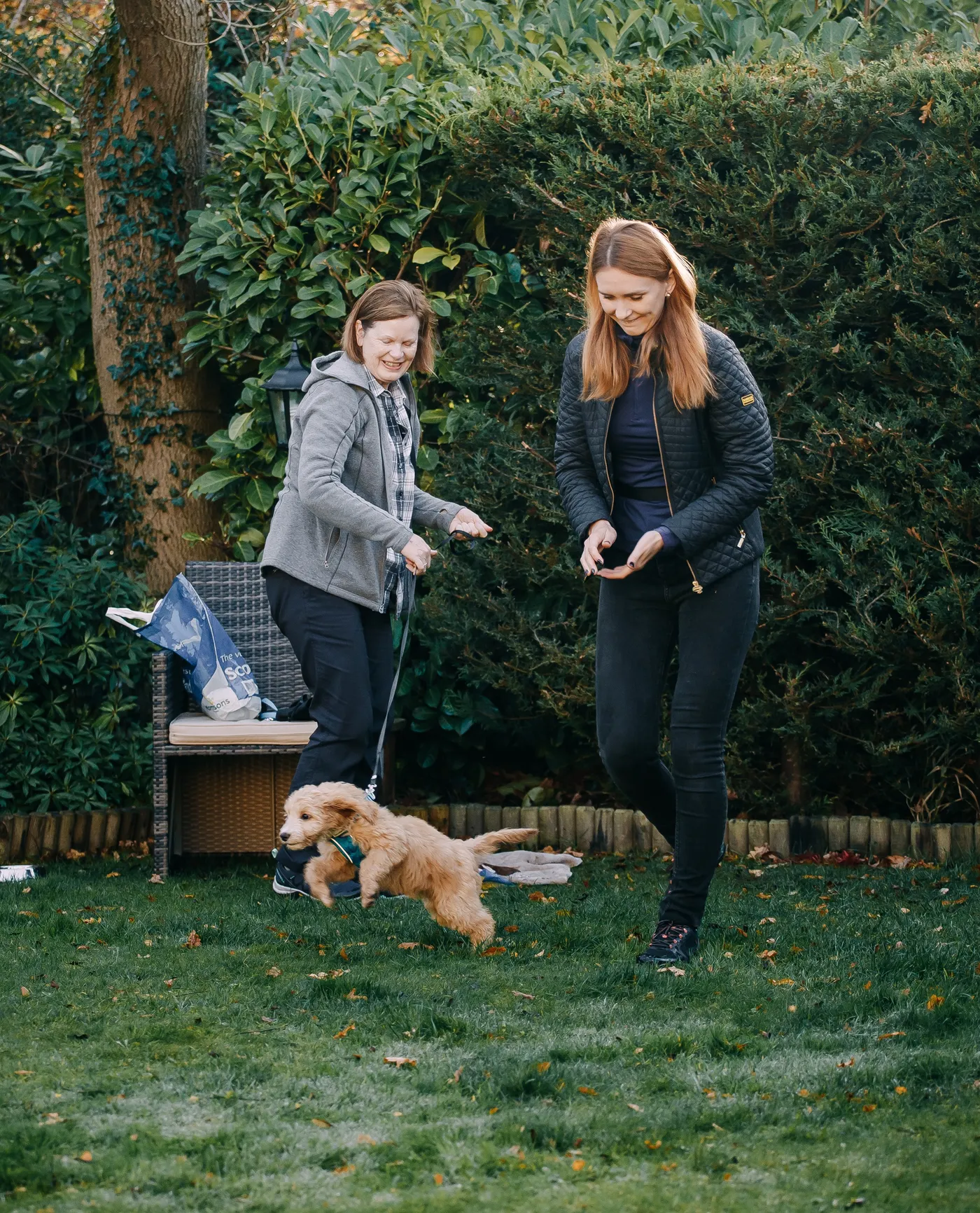
Puppy biting is normal. Your pup isn’t being naughty or aggressive: they are exploring the world with their mouth, teething, and testing what gets a reaction. The good news is that it’s one of the easiest problems to turn around, as long as everyone at home responds the same way.
Why puppies bite
Puppies learn how hard is too hard by playing with their littermates. When they come home, your hands, sleeves and ankles become the new littermates. Most nipping comes from one of three places:
- Teething and the need to chew
- Over-excitement or overtiredness
- Play that has turned into a game of chase
What to do in the moment
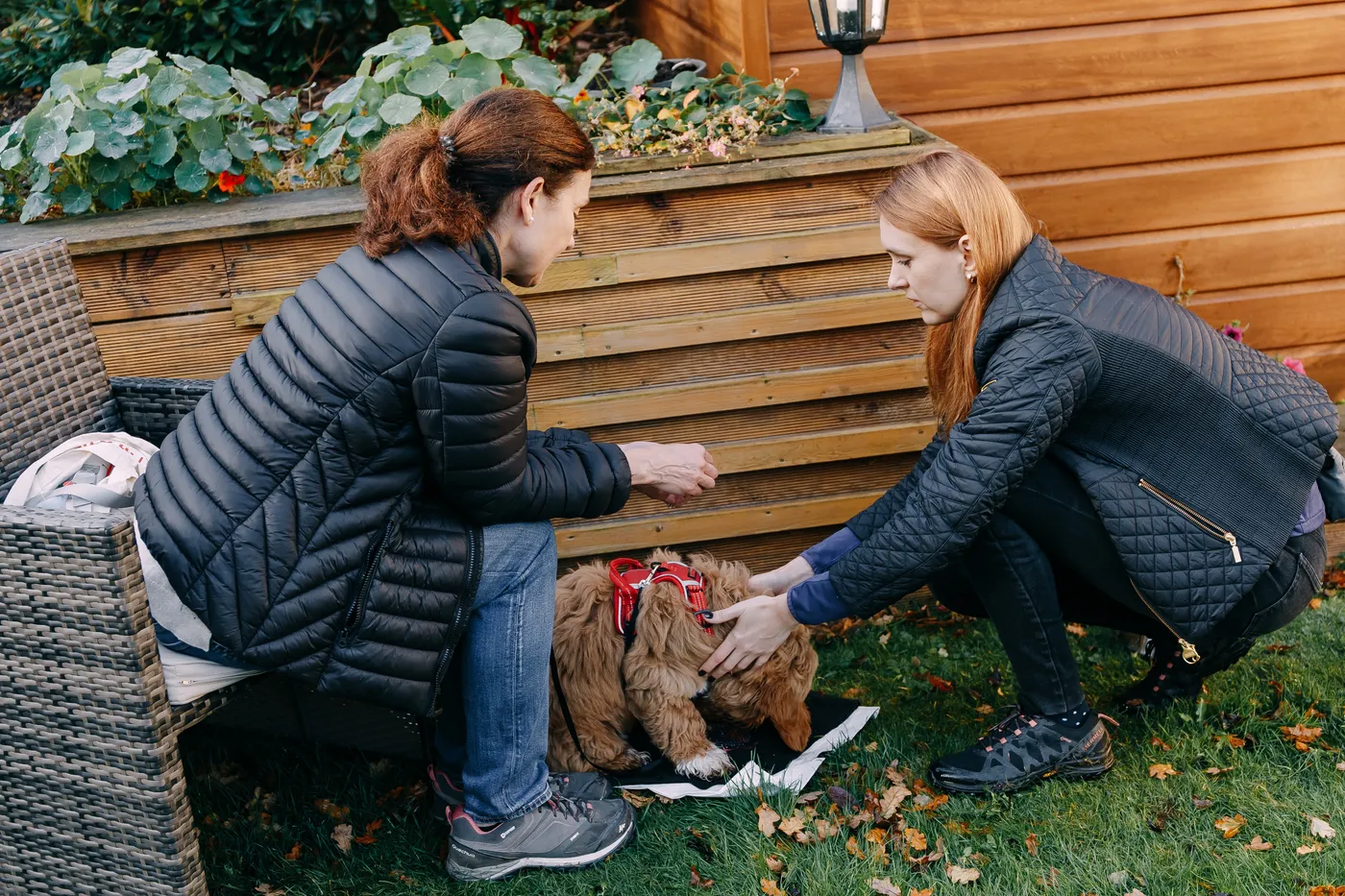
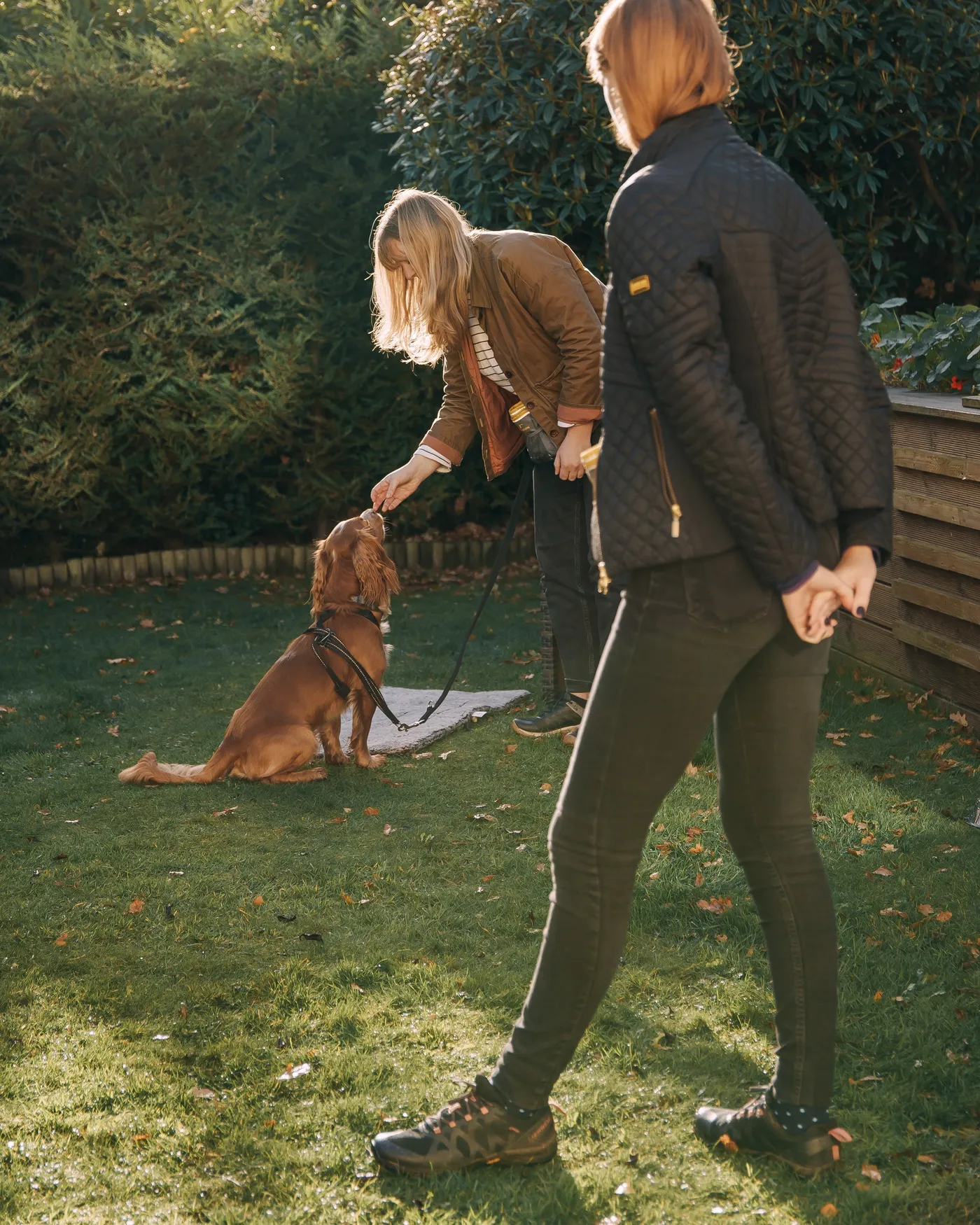
When teeth touch skin, go still and boring. Take your hand away calmly, wait a couple of seconds, then offer something your puppy is allowed to bite, like a tug toy or a chew.
Shouting, pushing the puppy away or tapping their nose usually makes things worse. To an excited puppy, that’s just more play.
Build the habits that prevent it
Most biting happens at predictable times: first thing in the morning, after a walk, or in the early evening when everyone is tired. Plan for those moments with a chew, a sniffy game or a short nap, and you’ll avoid most of the bites before they start.
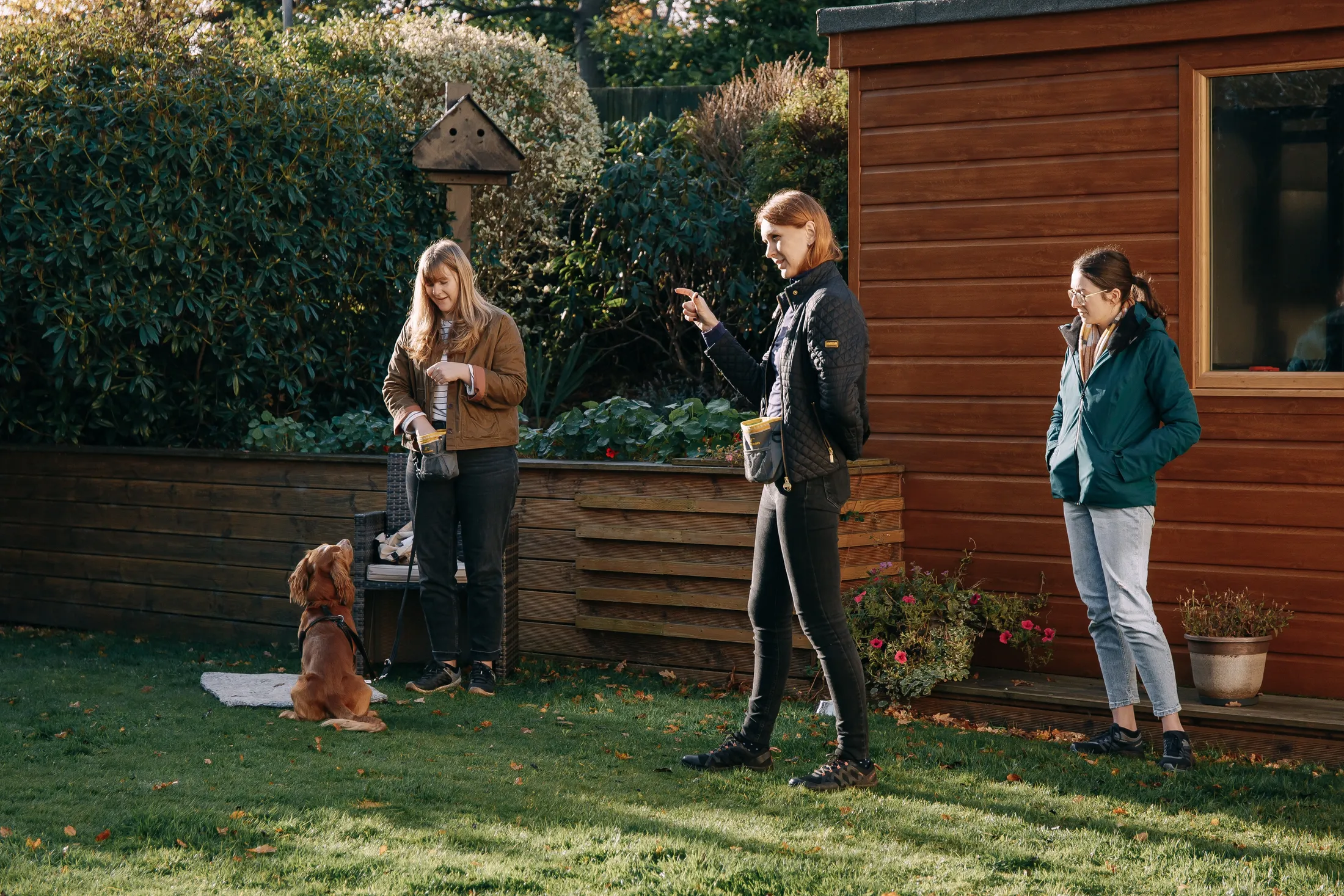
Children need extra help here. Ask them to stand still like a tree when the puppy gets mouthy, and keep play sessions short and supervised.
When to ask for help
If the biting is getting harder rather than softer after a couple of weeks, or your puppy seems stiff or growls when they bite, it’s worth getting a trainer to take a look. Most of the time it’s simply a tired puppy who needs more sleep and a clearer routine.